Japan Trip 1: First 48
Dear Eduardo,
I have this image in my head of a pinball machine, where I am the ball and instead of hitting bumpers and buzzers, I’m bumping into social mistakes amongst the Japanese public. I knew there would be an adjustment period, but I even made some mistakes on things that I had prepped for, but forgot about in the moment. To call this place outside my comfort zone is an understatement. Granted, the first 24 hours was just a blur of work and sleep to stave off jet lag, but I still managed to step on metaphorical toes anyway.
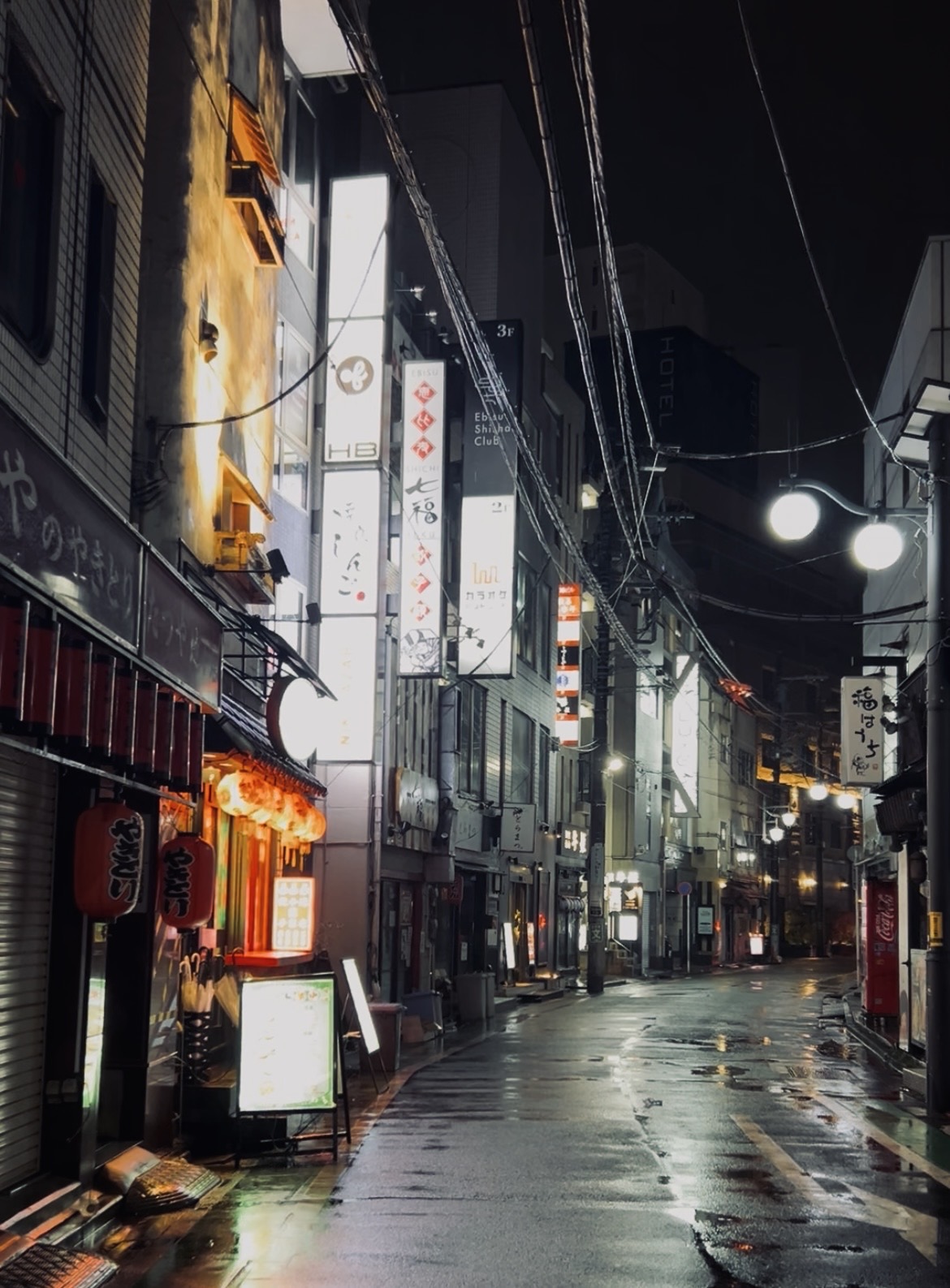
Despite that, I find myself fascinated by each stranger I come across and by the city itself. The first thing I noticed was how clean the streets were. I knew it’d be cleaner than New York or San Francisco, but it’s not just the absence of refuse. The streets appear to have fewer signs of repair, as if the potholes were just patched but erased from existence. Riding in my uber felt as smooth as a boat ride on glassy-calm lake water, so I’m thinking they must use some fancier and more-expensive asphalt than what we got in the states.
I also notice a shocking lack of people out and about in the early morning. I’m in Ebisu, just south of Shibuya and as dense a spot as anywhere else in Tokyo. But between my 6am to 8am walks across town, the streets feel rather empty. Only the busiest roads have cars, and most businesses including coffee shops and breakfast restaurants are not open till 9:00 or sometimes 10:30am. I read about the wildly rough work culture here, so where is everyone? Turns out, that’s when most are still recovering from a late night. The restaurants don’t open till 10:30 because many of them were still open at 3am, serving Ra-men and Udon to drunk business folks.
People in Tokyo watching could be my new favorite hobby. I expected a few things from my prep work, but other things took me by surprise. I expected to feel tall among the crowds, for example, at least when I remember to stand up straight. I also expected to see folks in business suits and medical masks in public places. What I did not expect was seeing so many young people here. Reading headlines that make it to the states, you’d expect Japan’s aging population to be visible at a glance, but I see folks my age or younger everywhere I go.
Also, the Japanese have absolute drip, and I feel underdressed. Everyone’s clothes fit perfectly. Things are ironed even if it’s a casual garment, and even the streetwear kids have spotless sneakers and brand-new bomber jackets on. My jeans and a t-shirt getup make me look like a farm boy from the 50’s who got lost in time. The makeup is everywhere too, even on the men.
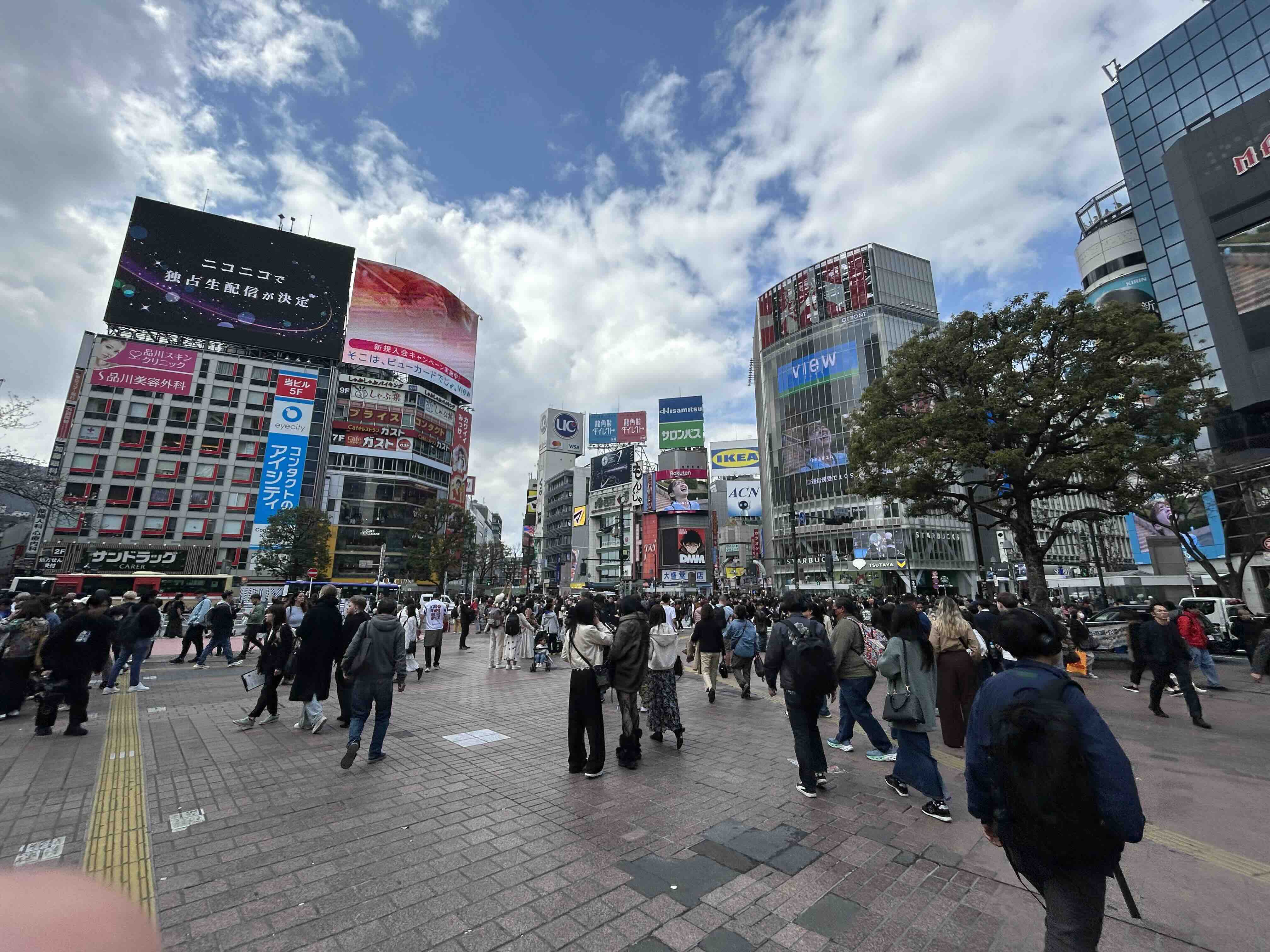
Finally, I notice how they seem to treat each other. On the surface, it’s as polite and considerate as I read. Not a crumb of food or trash can be found on the subway because people are lining up to throw things away at the notably complex trashcans. People line up single-file as we wait for the crosswalk sign to turn green. The shoppers bow as they approach the register, as if the purchase is causing them an inconvenience. But underneath it I notice a sense of wanting to be left alone.
Eating alone in a restaurant might look a bit sad in much of the US. On one occasion, I’ve been approached by a random midwesterner who got sad watching me eat my breakfast sandwich all on my own and wanted to chat me up. But here, the solitude is practically sacred. Seating arrangements in restaurants are designed to maximize how many single-eaters they can take with bench and bar seating everywhere. It is personal time to be defended, I’ve learned from screw-ups.
I made the mistake of trying to start a conversation with this woman eating lunch across from me today, and was corrected not once but twice for different things by my patient and apologetic waiter. She’d ordered some french toast with the works: berries, sugar, and whipped cream stacked like a mountain on top. She and I caught eyes for a moment, seemingly agreeing on the same thought: dang that looks good. I decided to try out an icebreaker. “Sore wa oishīdesu ka?” I asked, gesturing to the breakfast bouquet on the table. Her brow furrowed and she looked surprised to hear words from a human thrown her way, before donning a polite face and tipping her head towards me. “Hai, sōdesu,” she answered and then averted her gaze towards her phone. I figured I mispronounced something, since books and youtube have been my only Japanese teachers up to this point.
That’s when my waiter, who’d seen the exchange and thankfully spoke in fair english to me, informed me that most people eating alone would prefer not to start conversations with strangers during their lunch break, excusing his intrusion a bunch in the process. Later, when receiving a phone call, I was again politely corrected by the same waiter that I should take that call outside to avoid disturbing the other guests, again with apologetic bows and a polite smile. I was of course embarrassed and gave my own flurry of bows and “sumimasen"s and “gomenasai"s, which everyone seemed to appreciate.
The pinball was earning a high-score on that meal.
The Japanese people seem to be comfortable sharing space without sharing much else. I suppose it’s out of necessity when the subways are this packed and even the nice hotel rooms barely have space for the bed inside. From what I’ve been told, the working life and social lives of a Japanese 30-something can be full of performances: politeness and neutrality that aren’t exactly lies but not outwardly expressive, all in the name of meeting expectations. Putting on a face like that for so long sounds exhausting, so having a peaceful moment to yourself sounds like an important ritual that might get spoiled by a noisy foreigner wanting to practice the language.
The next 48 promise good weather and perhaps a look at the cherry blossoms if they decide to come out early. I know it’ll be full of more pin balling, but I’m looking forward to learning about this place and its people more.
Comments
Want to leave a comment? to join the conversation.
Leave a Comment
Loading comments...