Japan Trip 2 - Weekend in Tokyo
Dear Eduardo,
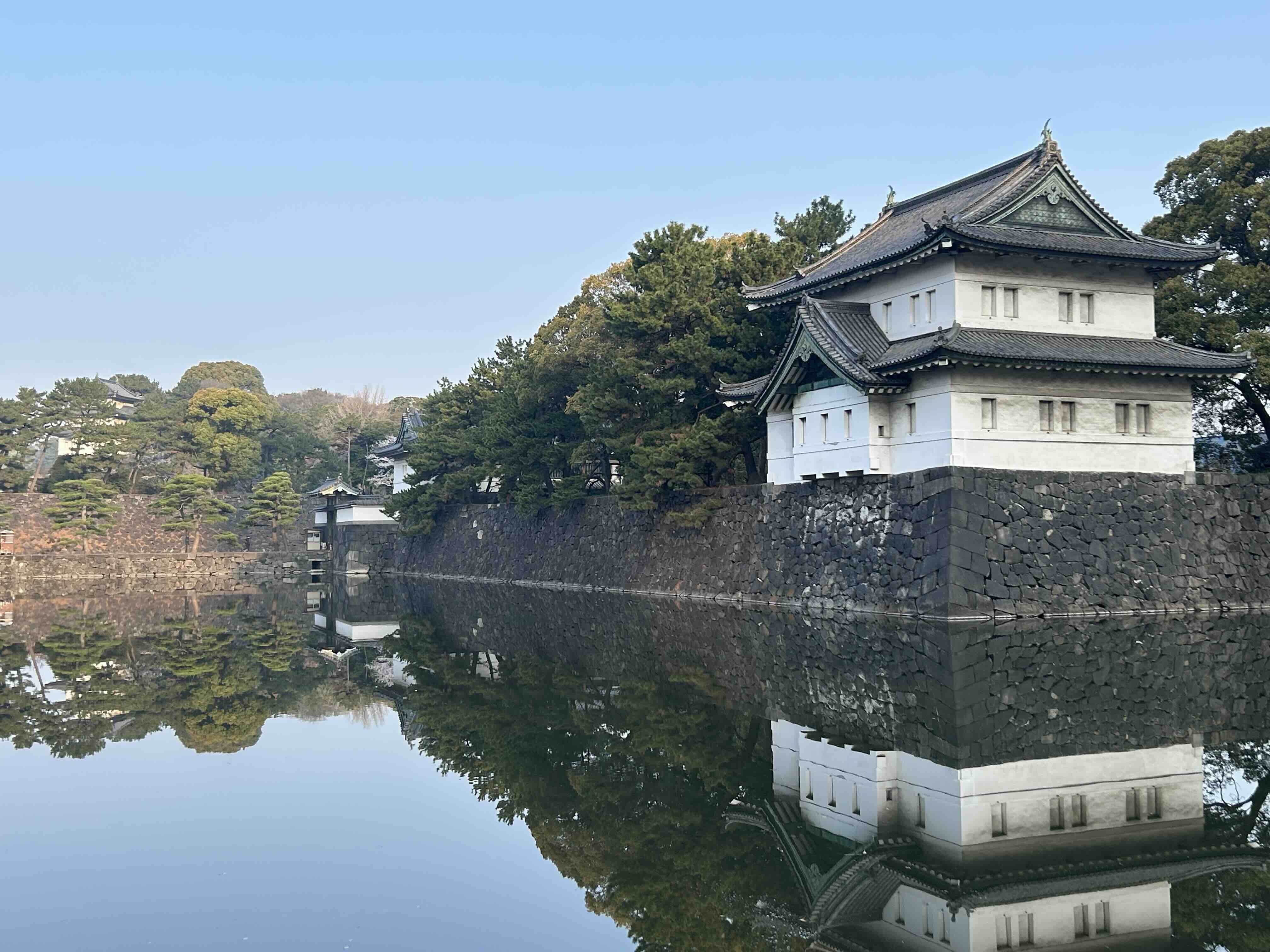
Tokyo is one of the most dense cities in the world where a population roughly the size of the state of California is all crammed into one metropolitan area. Each city block has food options, each square mile has some historic landmark, and each blogger will scream at me for not trying their favorite spot. It’s a fool’s errand to try it all, so let’s just get lost a bit and see what happens naturally, yeah? This weekend is about leaning in to being a tourist.
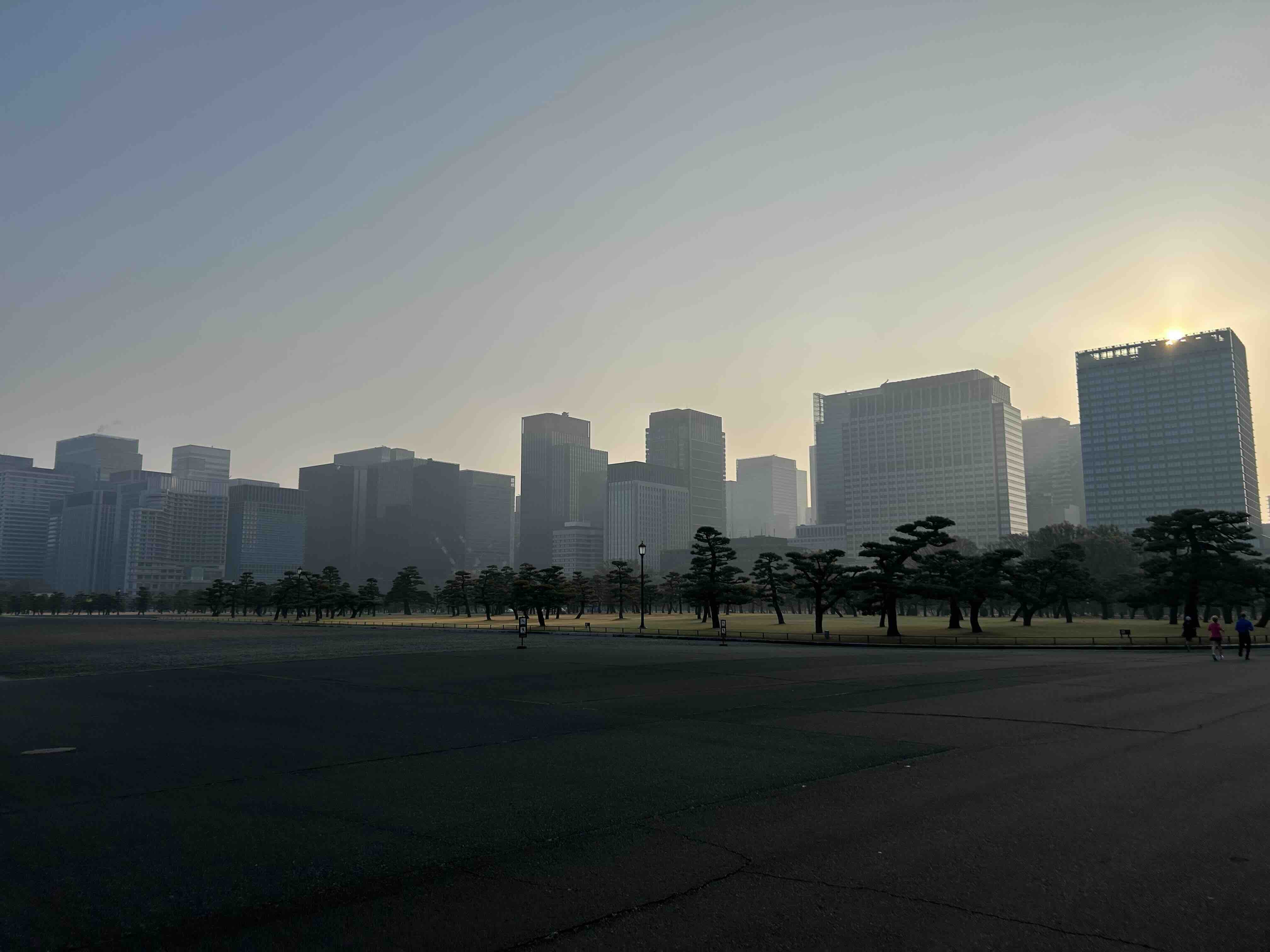
An uninterrupted morning jog route is hard to come by here, but the best loop in town happens to be around the city’s most historic landmark: the Imperial Palace. Something I loved wasn’t just how beautiful the fortress was, but just how striking the business buildings looked towering in the distance. Giants of “new” leering down at a tightly protected and manicured time-capsule of “old” made me stop my run for longer than I intended.
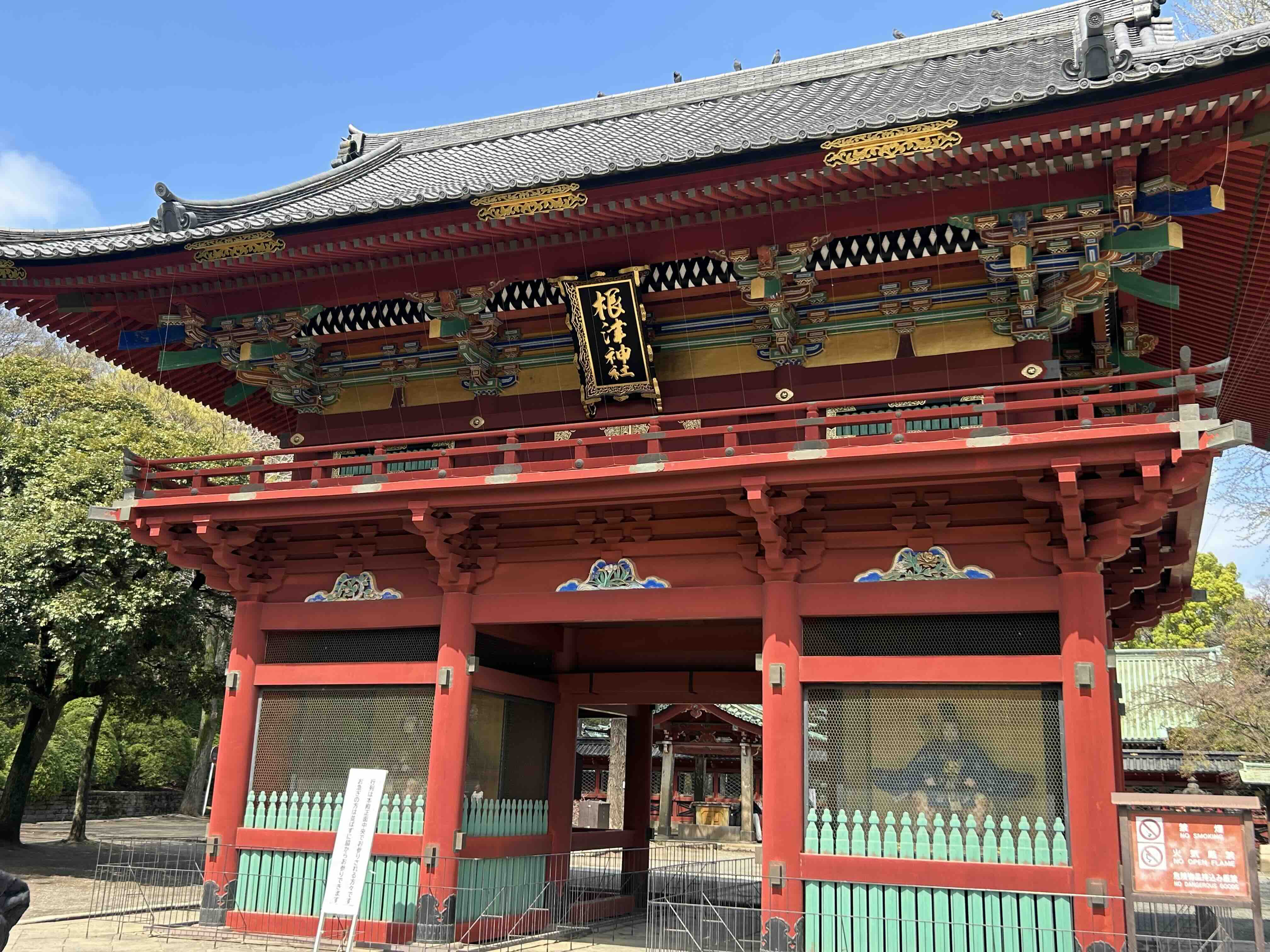
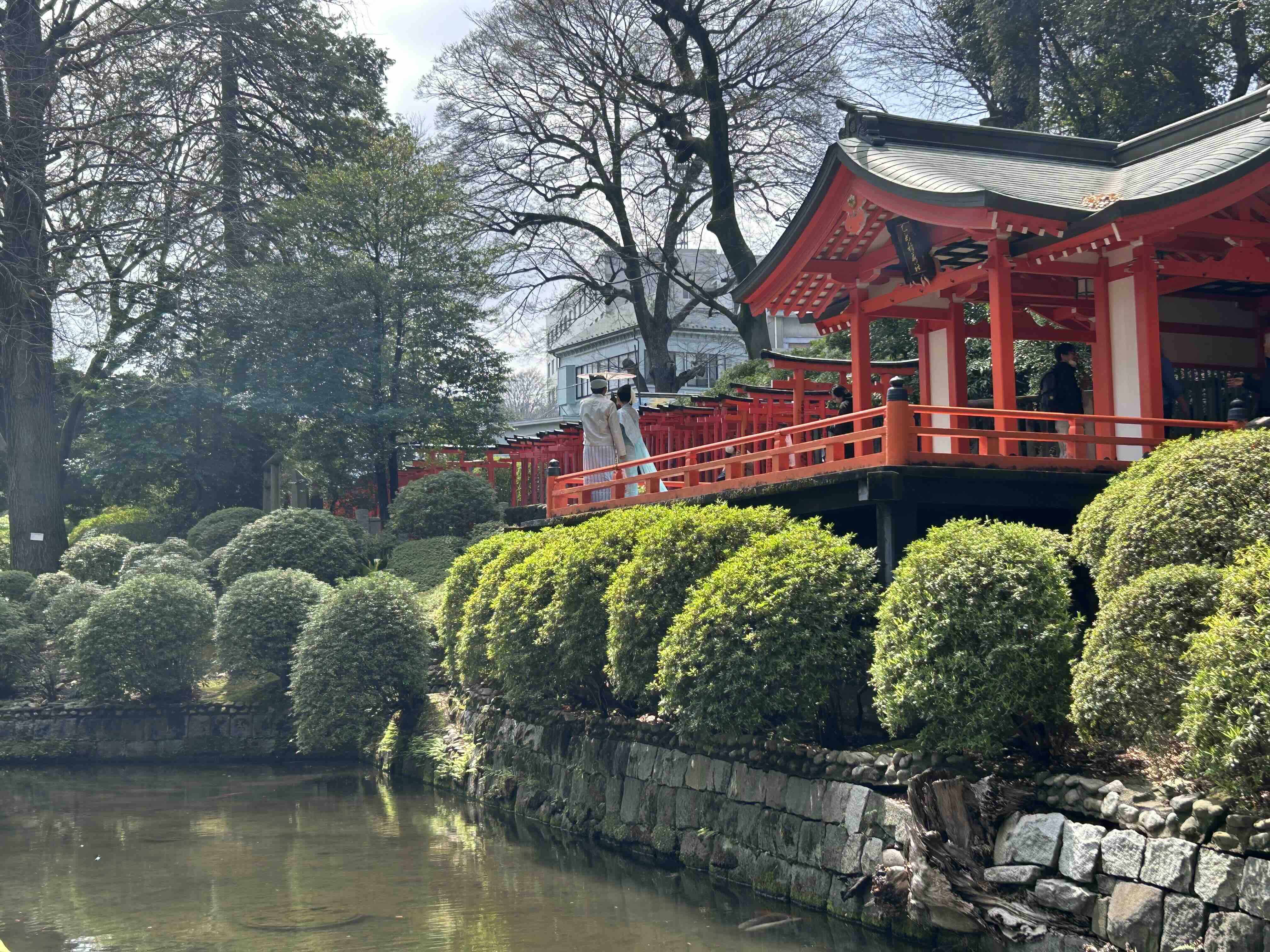
Shinto shrines are both ancient and beautiful this time of year. I was able to see a handful of them without needing to hop back on the subway between each visit pretty easily, suggesting the city protects them closely. A city this dense for sure had to consider demolishing or at least moving some of these with real-estate this valuable, or maybe that’s just my American-ness talking. I caught this photo of a lovely couple taking wedding photos at the Dezu shrine before offering prayers called hanae together at the shrine’s altar. I actually caught hundreds of people dressed in the traditional Kimono and Montsuki all around the city, often younger adults like it was prom or graduation day tradition.
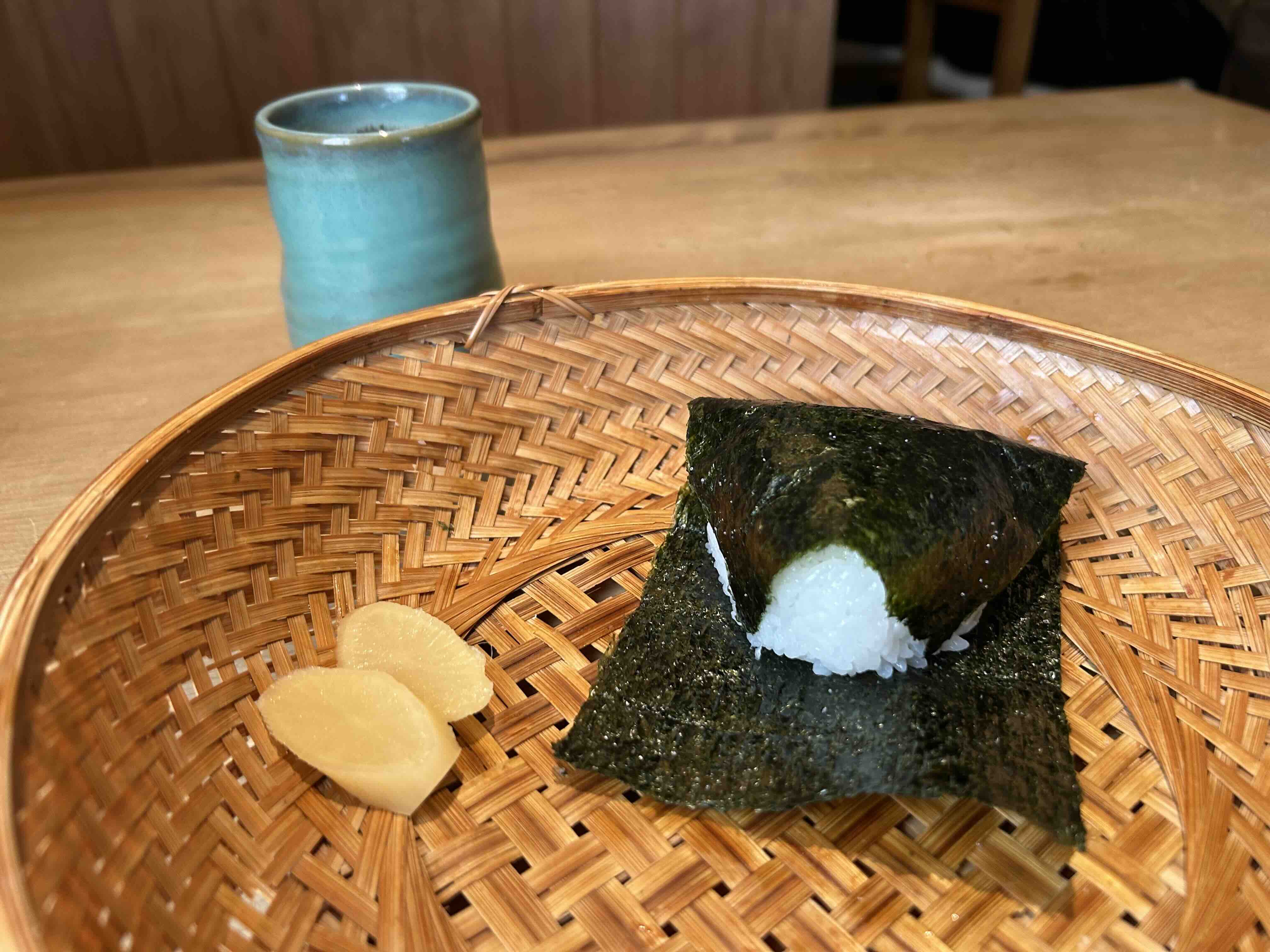
Speaking of traditional, my lunch spot was an Onigiri bar that could only fit about 10 people at a time and featured hand-rolled rice balls filled with the saltiest and tastiest kinds of fillings the ocean could conjure. The Gentleman making them had been doing so for 54 years and refused to expand despite the line out the block suggesting he could grow his business if he wanted to. Umami flavors abound, with vegetables pickled in soy-sauce and Iruka salmon-roe fillings being my favorite. I imagine this being the Tokyo equivalent of a great bagel shop in NYC: you can find these in a ton of places but you’ll have to hunt if you want an authentic and unforgettable meal. It was worth the wait in a shoulder-to-shoulder line to sit in this tiny chair and enjoy something distinctly Japanese.
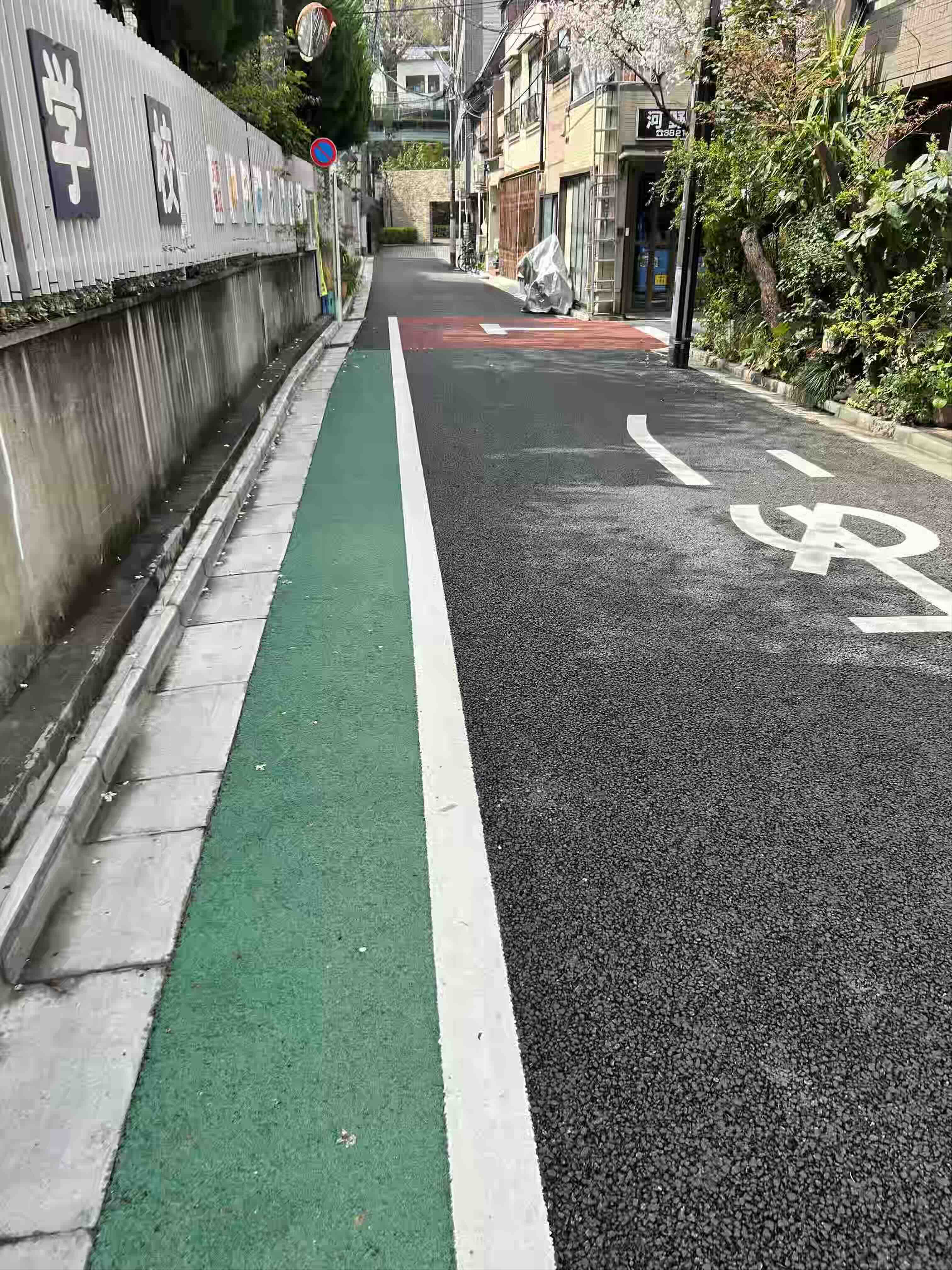
To be fair, everywhere else in the city is cramped as well. Check out this picture I got of a street I was on while on my way to the next shrine. Notice those green lines on the sides? That’s the ‘sidewalk’, if you can call it that. This is the section reserved for pedestrians, with just enough room for a small car to fit in between. I used my phone to measure it; it was 20 inches across, if the app is to be believed. What’s wilder was that this road was a two way street, with cars coming from behind and in front. In practice, this really means that pedestrians are just in the street at all times, so cars need to crawl to accommodate. The space belongs to the human more than it belongs to the car.
When people are packed in together this closely, you can pick up on their culture and trends just by being observant. I noticed that certain restaurants or public spaces seemed more gendered than I’m used to. As a huge fan of breakfast, I stepped into a cafe that specialized in french toast hoping to taste a Japanese spin on one of my favorites. Out of 38 people in that café, I was one of only two men, and the other looked like he was on a date. Turns out, while having a brownie sundae or french toast in the states is relatively gender-neutral, eating sweets carries an inherently feminine connotation here. So much so that they have a separate word for men like me who eat in places like this: “Sweets Danshi”, which means “Sweets Boy”. The opposite is true for Yakitori (meat skewers) and Ra-men joints which pull a much more male-leaning customer base. Even hotels can be gendered-segregated, either by floor or from the entire business.
Not everything is so steeped in gendered separation though. The youth in particular here feel very globalized in their taste, pulling coolness into their style wherever it can be found. I notice a general fascination with New York City here, for example, manifested into Yankee’s hats worn by college kids and SoHo-style cafés serving pasta dishes to a much more evenly-split gender ratio. The young are wearing bomber jackets and sneakers with velcro and listen to deep cuts of hip hop. I even saw a live band playing on the street doing public karaoke who started playing Common’s legendary bass line “Be” and two guys out of the crowd grabbed the mic and started spitting like they were Brooklyn natives (and no, that’s not just a stereotype). The hotel I’m staying in now boasts a vinyl record collection I can borrow from for my room, and I was floored with the hip hop options: Lyricist Lounge Volume 1 and Anderson Paak’s Oxnard, to name a few. If it was performative, they’d have 808s and Heartbreaks without realizing the drama around it, but these are tasteful cuts you don’t find everywhere. They clearly actually love hip hop here.
Underneath all of that, what’s clear is that they clearly maintain a love for that which is old. Shintoism, the animistic religion these shrines come from, is not a commonly held system of faith by the Japanese. In fact, nearly 62% of Japanese people say they have no religious beliefs at all. Despite that, not only are these shrines everywhere and actively maintained, they are visited by patrons constantly. Take a look at this smaller shrine. I didn’t find this on a japan travel-guide of ‘must see shrines’ in the area, it was just between my hotel and the subway. It’s tiny, and it’s sandwiched between two regular houses. It reminds me of these curbside book-boxes we have in Austin. More an ornament than a religious place of worship.
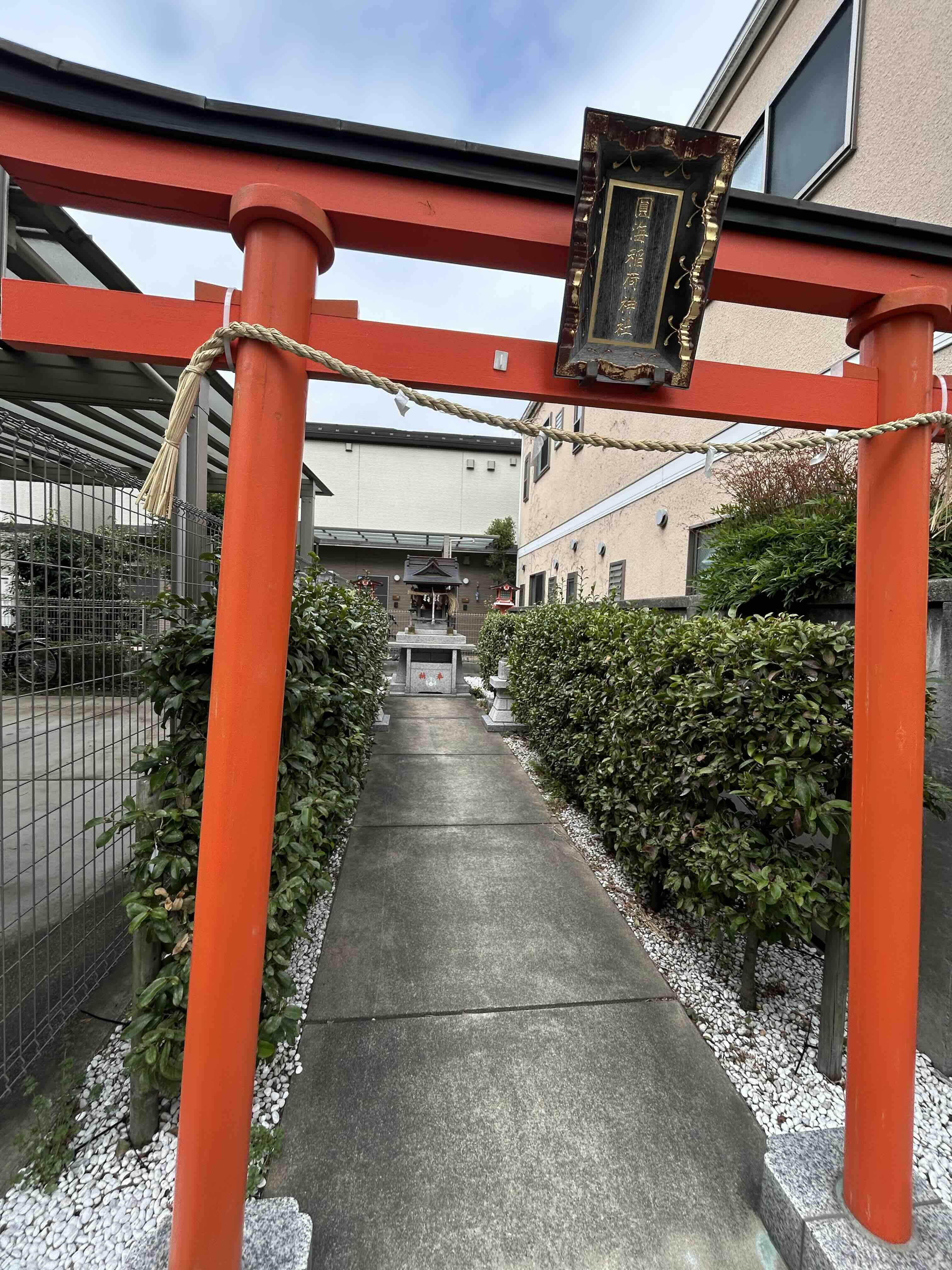
Despite that, in the time it took me to nab this photo, no fewer than three adults who were seemingly on their way to work in the morning stopped to offer a few yen and perform their harae prayers before continuing on their commutes. Someone would later tell me that it’s more about tradition than belief, like saying “bless you” when someone sneezes. I imagine little rituals like this help keep them feeling a little bit more like themselves––a little bit more Japanese––in a country that has seen such wild swings of widespread change at blinding speed (look up the Meiji Restoration and post-war economic miracle for examples). As the world hurtles towards a new period of widespread change at blinding speed right now, I think I will look for my own little rituals that can help me feel more like myself. I wonder if our rituals could ever last as long as these have here?
Comments
Want to leave a comment? to join the conversation.
Leave a Comment
Loading comments...